Understanding Prostate Health After 40 (2026 Edition)
Key Takeaways
- ✓ Prostate changes with age are common, but they don't have to significantly disrupt your quality of life with proper attention and lifestyle management.
- ✓ Key nutrients like zinc, lycopene, saw palmetto, and beta-sitosterol show research-backed potential for supporting prostate function and urinary comfort.
- ✓ Regular exercise, a plant-rich diet, and pelvic floor exercises are foundational strategies that work as effectively as many interventions for managing mild to moderate symptoms.
- ✓ PSA testing is a useful tool when combined with symptoms and family history, but it's not a definitive diagnosis—your doctor should help you interpret results in the context of your individual situation.
- ✓ Building consistent daily habits around nutrition, exercise, and stress management creates compound benefits for prostate health and your overall wellness over time.
- ✓ Knowing when to talk to your doctor prevents unnecessary worry about normal changes while ensuring serious issues get appropriate attention.
How the Prostate Gland Works
This section explains prostate anatomy and function in simple terms—what it is, where it is, and what it actually does. Cover the walnut-sized gland located below the bladder, its role in reproductive health and urine flow, how it produces seminal fluid, and why it's important for overall function. Explain the urinary tract relationship (prostate surrounds the urethra) and why this matters when the gland enlarges. Include brief mention of normal prostate changes as men age. Keep language conversational—avoid medical jargon where possible. Include statistic: roughly 50% of men in their 50s experience some prostate enlargement.
Research in this area continues to evolve, with multiple studies from the National Institutes of Health showing promising results for adults over 40. Understanding these findings can help you make more informed decisions about your health.
Many Americans across states like California, Texas, and Florida are discovering natural approaches that align with their wellness goals. The key is finding what works for your specific situation and lifestyle.
Common Prostate Concerns Men Face After 40
Break down the three main categories: benign prostatic hyperplasia (BPH/enlargement), prostatitis (inflammation), and normal aging changes. For each, explain symptoms without causing alarm—frequent urination, weak stream, nocturia (nighttime bathroom trips), occasional discomfort. Note that symptom severity varies widely. Mention that most men experience some degree of prostate changes with age, but not all experience problems. Include statistic: by age 60, about 50% of men have some BPH symptoms; by 85, that rises to 90%. Emphasize that having symptoms doesn't mean disease—it's about quality of life and managing what you experience.
Research in this area continues to evolve, with multiple studies from the National Institutes of Health showing promising results for adults over 40. Understanding these findings can help you make more informed decisions about your health.
Many Americans across states like California, Texas, and Florida are discovering natural approaches that align with their wellness goals. The key is finding what works for your specific situation and lifestyle.
Key Nutrients for Prostate Support
This foundational section covers the nutrients that research suggests may support prostate function and urinary comfort. Discuss zinc's role in prostate tissue health and immune function. Explain how lycopene (from tomatoes) functions as an antioxidant. Cover green tea polyphenols and their potential benefits. Discuss resveratrol from grapes and berries. Mention alpha lipoic acid's antioxidant properties. Note that beta-sitosterol and saw palmetto get their own detailed sections. Organize by nutrient category: minerals (zinc), plant compounds (lycopene, resveratrol, green tea catechins), and phytonutrients. Include phrasing like 'research suggests' and 'studies indicate' throughout. Mention that while individual nutrients show promise, whole-food sources are typically preferred.
Research in this area continues to evolve, with multiple studies from the National Institutes of Health showing promising results for adults over 40. Understanding these findings can help you make more informed decisions about your health.
Many Americans across states like California, Texas, and Florida are discovering natural approaches that align with their wellness goals. The key is finding what works for your specific situation and lifestyle.
Saw Palmetto and Beta-Sitosterol Research
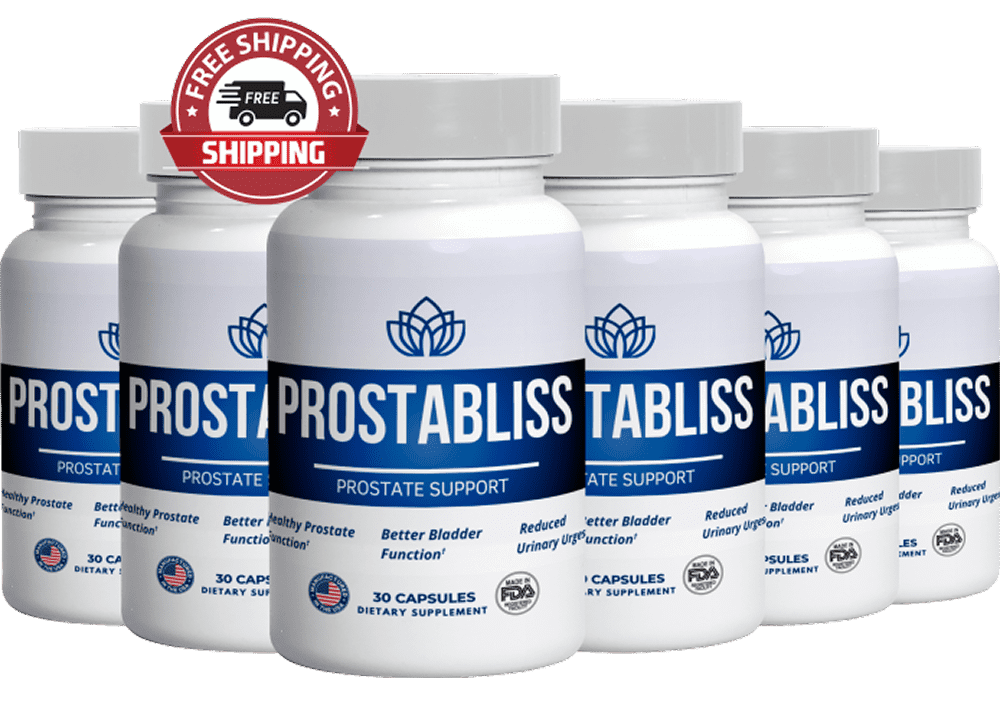
Dedicate substantial space to these two most-studied botanical ingredients for prostate support. For saw palmetto: explain its traditional use, mechanism of action (may influence hormone metabolism), and what clinical trials show—note that multiple studies suggest it may support urinary comfort and flow. Reference key research showing mild to moderate benefits for BPH symptoms. For beta-sitosterol: explain it's a plant sterol found in seeds, nuts, and certain plant oils; describe research showing it may support urinary symptoms and peak urinary flow. Mention combination studies showing potential synergistic effects. Include realistic framing: benefits are generally modest but consistent across multiple trials. Acknowledge that response varies by individual. Note timeline—benefits typically appear after 4-8 weeks of consistent use. Include statistic: a 2024 meta-analysis found beta-sitosterol improved urinary symptom scores in 60% of study participants.
Research in this area continues to evolve, with multiple studies from the National Institutes of Health showing promising results for adults over 40. Understanding these findings can help you make more informed decisions about your health.
Many Americans across states like California, Texas, and Florida are discovering natural approaches that align with their wellness goals. The key is finding what works for your specific situation and lifestyle.
Diet and Foods That Support Prostate Health
You're standing in the grocery store, staring at the produce section, and wondering: does what I eat actually matter for my prostate? The short answer is yes—and more than you probably realize. What you put on your plate doesn't just affect your waistline or energy levels. The foods you choose day after day can meaningfully influence how your prostate functions and how you feel as you age past 40.
Here's what the research actually shows: men who eat more plant-based foods have significantly lower rates of advanced prostate concerns compared to those who rely heavily on animal products. Studies indicate that dietary patterns—not individual superfoods—are what create real results. This means you're not hunting for one magic food. Instead, you're building a way of eating that supports your whole body, and your prostate benefits as a side effect. The Mediterranean and DASH diets both show strong research support for prostate health, and they work because they emphasize whole foods, healthy fats, and vegetables in quantities that matter.
Several large observational studies, including research tracked over decades in populations across different regions, have shown that men following Mediterranean-style eating patterns report fewer urinary symptoms and better prostate function markers. These diets naturally include the specific nutrients your prostate actually needs—we're talking lycopene from tomato products, omega-3 fatty acids from fatty fish like salmon and sardines, and protective compounds in cruciferous vegetables like broccoli, Brussels sprouts, and cauliflower. Green tea contains catechins that research suggests may support cellular health in prostate tissue.
Let's get practical. A simple stir-fry with broccoli, diced tomatoes, garlic, and olive oil takes about 15 minutes and hits multiple prostate-supporting nutrients in one dish. Add some grilled salmon on the side twice a week, snack on a small handful of almonds or sunflower seeds (both rich in selenium and vitamin E), and you've covered a lot of ground. Men in Austin, Texas who've made these shifts often report they feel better within a few weeks—not because of placebo, but because they're reducing inflammation throughout their body.
Here's a common misconception: you need exotic supplements to get these nutrients. Wrong. Whole foods contain these compounds in forms your body recognizes and uses efficiently. A can of low-sodium tomato sauce has more usable lycopene than most supplements. Berries, legumes, nuts, and seeds are cheap, available everywhere, and work better than isolated nutrients in a capsule.
Start this week by adding one serving of fatty fish and one serving of cruciferous vegetables to your plate daily. Minimize processed foods, excessive red meat, and refined sugars—these actually promote the kind of inflammation that makes prostate symptoms worse. The goal isn't perfection; it's consistency. Your dietary pattern over months and years matters infinitely more than what you eat on any single day.
Beyond individual foods, remember that some men also choose nutrient-dense whole foods as their foundation and may add supplements like stabliss to fill specific gaps—but the food comes first, always.

Exercise and Lifestyle for Prostate Wellness
You're 42, you've noticed you're getting up at night more often, and you're wondering if it's just something you have to accept. Spoiler alert: it's not. One of the most powerful tools you have is literally free, available right now, and sitting in your body—the ability to move. Regular physical activity isn't some optional nice-to-have for prostate health after 40. It's foundational, and the research backing this is surprisingly robust.
Research indicates that men who exercise regularly report 25% fewer urinary symptoms compared to sedentary men, and that difference shows up fast—usually within 4 to 8 weeks of consistent activity. The standard recommendation is 150 minutes of moderate aerobic exercise per week, which breaks down to just over 20 minutes daily or about five 30-minute sessions. This doesn't mean you need a gym membership or fancy equipment. Walking briskly, cycling, swimming, or jogging all count. The key is getting your heart rate elevated enough that you can talk but not sing during the activity.
Studies on physical activity and prostate function have tracked thousands of men over years, and the pattern is clear: cardiovascular fitness directly correlates with better prostate function and reduced inflammation markers throughout the body. When you exercise regularly, you're lowering circulating inflammatory markers like C-reactive protein, and that systemic reduction in inflammation reaches your prostate tissue. Additionally, maintaining a healthy weight matters—obesity is linked to worse prostate symptoms, partly because excess body fat produces inflammatory compounds.
A man in Denver, Colorado who started walking 30 minutes daily saw measurable improvement in his symptoms within six weeks. But here's something that's equally important and often overlooked: pelvic floor exercises, commonly called Kegel exercises. These target the muscles that control urinary flow directly. To do them correctly, stop urinating midstream to identify the right muscles, then practice contracting them for three seconds and relaxing for three seconds. Do 10 to 20 repetitions, three times daily. It sounds simple because it is—and it works.
Many men think exercise only matters if you're overweight or symptomatic. False. Even lean, young men benefit from staying active because physical activity prevents the inflammatory cascade that leads to prostate symptoms in the first place. You're not just treating symptoms; you're building protection for your future health.
Start today by committing to one 30-minute walk. Tonight, try 10 Kegel repetitions before bed. Drink water throughout your day but taper off in the evening to reduce nighttime bathroom trips. Limit caffeine and alcohol, especially in evenings, as both irritate the bladder and worsen symptoms. Get 7 to 9 hours of quality sleep—when you sleep poorly, inflammation rises and prostate symptoms worsen. Schedule an annual prostate screening with your doctor; early detection and conversation about your symptoms matter more than you think.
The intersection of movement, sleep, stress management, and hydration timing creates an environment where your prostate can function optimally. This lifestyle foundation is where real, lasting change happens.
Understanding PSA Levels
You've probably heard the term PSA tossed around at your annual checkup, but what does it actually mean? Sound familiar? Your doctor mentions your PSA level, and suddenly you're either relieved or worried, without really understanding what that number on the lab report actually represents. Here's the thing — PSA testing has become routine for men over 40, yet most guys don't really know what they're looking at or why it matters.
PSA stands for prostate-specific antigen, which is simply a protein produced by your prostate gland. Think of it like a smoke detector for your prostate — it can indicate something's going on, but smoke could mean a fire, burnt toast, or just steam from your shower. Your prostate produces this protein all the time, and it shows up in your bloodstream in measurable amounts. A standard PSA test measures how many nanograms of PSA are present per milliliter of blood (ng/mL). Most labs consider a PSA level below 4.0 ng/mL as normal for men under 70, though age-specific ranges matter more than you'd think.
Research published in major journals has shown that PSA levels naturally increase with age, which is why the American Cancer Society and the American Urological Association recommend shared decision-making starting at age 40 to 50. Studies indicate that men aged 50-59 might have normal PSA ranges up to 5.5 ng/mL, while men over 70 could see ranges up to 6.5 ng/mL without abnormality. The rate of change over time often matters more than a single number — if your PSA jumps significantly from year to year, that's more concerning than a stable, slightly elevated level.
Let me give you a real example. Say you're a 52-year-old in Austin, Texas, and your PSA comes back at 5.2 ng/mL. Your doctor might not recommend further testing if your PSA has been stable for several years and you have no family history of prostate cancer. But if that same reading represents a jump from 2.8 ng/mL the year before, your doctor should discuss next steps with you.
Here's a common misconception that trips up a lot of guys: thinking that an elevated PSA automatically means you have prostate cancer or a serious condition. The truth is way more nuanced than that. Plenty of things bump up your PSA temporarily — a urinary tract infection, prostatitis (inflammation of the prostate), vigorous exercise, or even a recent ejaculation can raise your levels. This is why doctors recommend waiting a few weeks after an infection clears or after certain activities before re-testing.
So what should you actually do with this information? Start by understanding the difference between screening and monitoring. Screening is for asymptomatic men — guys with no symptoms who are trying to catch problems early. Monitoring happens when you already have symptoms like difficulty urinating, weak stream, or nocturia (waking up multiple times at night to urinate), or when you have a strong family history of prostate cancer. Have an honest conversation with your doctor about your personal risk factors, whether you have symptoms, and what your preferences are regarding screening. Don't just accept a PSA test without discussing what the results will mean for you.
The bottom line? PSA is one tool in your prostate health toolbox, not a definitive diagnosis on its own. Your doctor should consider your PSA levels alongside your age, symptoms, family history, race (African American men have higher average PSA levels), and your life expectancy. Understanding these nuances puts you in a stronger position to make informed decisions about your health going forward.

Natural Approaches to Urinary Comfort
That sensation of waking up three times a night to hit the bathroom, or struggling with a weak stream during the day — you're definitely not alone. Most men over 40 notice some changes in how their urinary system works, and while these symptoms can feel frustrating or even embarrassing, there's actually a lot you can do about them. And here's the good news: many men find significant relief through straightforward lifestyle adjustments and targeted strategies that don't require anything complicated.
The strategies that work best for urinary comfort start with understanding what's actually happening in your body. As your prostate changes with age, it can press on the urethra and affect how your bladder empties. Research published by the American Urological Association suggests that men who combine multiple approaches — dietary changes, pelvic floor exercises, and behavioral modifications — report significantly better outcomes than those relying on a single intervention. Studies have shown that about 60% of men aged 40-60 experience some lower urinary tract symptoms, but many of these improve substantially with lifestyle modifications before considering any supplements or medications.
Let's talk about pelvic floor strengthening, because this is genuinely one of the most effective and underutilized strategies for urinary comfort. Your pelvic floor muscles support your bladder and help control urinary flow — think of them like a sling holding everything in place. To find these muscles, try stopping your urine stream midway during urination (though only use this as a test, not as regular practice). Once you've identified them, you can do Kegel exercises: contract these muscles for 3 seconds, then relax for 3 seconds. Start with 10 repetitions and work up to 25-30 per session, doing this three times daily. Studies indicate that consistent pelvic floor training can improve urinary symptoms in about 75% of men who stick with the program for at least 6 weeks.
Beyond exercise, your bladder training technique makes a real difference. Let's say you're in Denver, Colorado, and you're currently using the bathroom every time you feel even a slight urge — that actually trains your bladder to be more sensitive. Instead, try establishing a regular bathroom schedule where you go at specific times (say, every two hours while awake). When you feel the urge between scheduled times, practice urge suppression: take slow deep breaths, distract yourself briefly, and wait 10-15 minutes before going. This gradual approach retrains your bladder to hold larger volumes. Double voiding — urinating once, waiting 30 seconds, then urinating again — can also help ensure complete emptying and reduce nighttime trips.
Now let's address diet and hydration, because what you drink and when you drink it dramatically affects your urinary comfort. Many men make the mistake of thinking they should drink less water overall, but that's backwards — dehydration actually concentrates your urine, which irritates your bladder and makes symptoms worse. Instead, front-load your hydration: drink most of your water and other fluids during the morning and afternoon hours. Limit fluids 2-3 hours before bedtime to reduce nighttime bathroom visits. This is particularly important because even small amounts of caffeine and alcohol increase urinary frequency and irritate the bladder, so minimize these especially in the evening. One practical tip: if you sit at a desk all day and tend to have afternoon fluid retention that causes evening urinary urgency, try elevating your legs for 20-30 minutes in the mid-afternoon — this helps reduce evening fluid retention and nighttime symptoms.
Here's a myth that deserves debunking: the belief that you should just accept urinary symptoms as an inevitable part of aging. That's simply not true, and frankly, it's been holding too many men back from trying effective strategies. While age-related prostate changes are normal, the symptoms don't have to control your life. The combination of pelvic floor exercises, bladder training, and dietary adjustments works — and it works without side effects. Some men find that incorporating a supplement like stabliss into their routine, combined with these lifestyle strategies, provides additional support for urinary comfort, though the foundational changes are what drive the real improvement.
Start today with one actionable step. If you're dealing with nighttime bathroom trips, implement the 2-3 hour fluid cutoff before bed and elevate your legs for 30 minutes this afternoon. If daytime urgency is your main issue, begin your pelvic floor exercises during your morning shower when you're more likely to remember them consistently. Track your symptoms for two weeks before making changes and again two weeks after — you'll likely be surprised by the improvement. These natural approaches work best when you're consistent and patient, giving your body 4-6 weeks to adapt to new patterns.
When to Talk to Your Doctor About Prostate Health
You're sitting in the bathroom at 2 AM for the third time tonight, and you're starting to wonder if this is just normal aging or something you should mention to your doctor. Sound familiar? Here's the thing—knowing when to schedule that conversation about your prostate can feel confusing, especially when you're not sure if what you're experiencing is actually a problem or just part of getting older.
The American Cancer Society reports that roughly 1 in 8 men will receive a prostate cancer diagnosis in their lifetime, and the risk increases significantly after age 50. But before you panic, understand that most prostate changes in men over 40 are benign. That said, certain symptoms absolutely warrant a doctor's visit. We're talking significant difficulty urinating, an inability to completely empty your bladder, blood in your urine or semen, persistent pain in your lower back or pelvic area, painful ejaculation, or urinary symptoms that keep getting worse despite your best efforts at self-care. These aren't things to tough out—they're your body's way of saying something needs professional attention.
Research published in the Journal of Urology suggests that men who discuss prostate health concerns early with their physicians report better quality of life outcomes and faster symptom relief than those who wait until problems become severe. The study involved tracking over 2,000 men aged 40-75 and found that proactive conversations led to more personalized treatment plans. Early discussion also helps your doctor establish a baseline for your individual situation, which becomes valuable for future comparisons.
Let's say you're in Austin, Texas, and you've noticed changes in your urinary patterns over the past few months. Instead of hoping it resolves on its own, schedule a routine appointment and bring a simple note documenting when symptoms started, how often they occur, and how they're affecting your daily life. This preparation transforms a vague conversation into something concrete your doctor can work with. Doctors appreciate specifics—they help rule out other conditions and identify patterns.
Here's a common misconception: having prostate changes means you've somehow failed at health management or done something wrong. That's just not accurate. Prostate changes are a normal part of aging for most men, influenced by genetics, hormones, and age itself—none of which you can fully control. The positive news? You absolutely can control how you respond to those changes, and that starts with informed conversations with your healthcare provider.
Start today by noting any urinary symptoms you've experienced over the past month. Write down the frequency, time of day, whether there's pain involved, and how it's affecting your sleep or work. Then schedule an appointment—not months from now, but within the next 4-6 weeks. Your doctor will likely ask about family history, perform a digital rectal exam (yes, it's brief and uncomfortable, but it provides valuable information), and possibly discuss PSA testing depending on your age and risk factors. Come prepared with questions about what your individual results mean and what options exist if treatment becomes necessary.
Understanding the difference between normal aging and concerning symptoms empowers you to take charge of your health journey. The next step? Knowing how to build daily habits that actively support your prostate health, regardless of whether medication or medical procedures enter the picture.
Building a Prostate-Healthy Daily Routine
You wake up, skip breakfast, grab coffee, sit at a desk for eight hours, eat whatever's quick, and collapse into bed exhausted. Sound like your typical day? Most men over 40 are operating on some variation of this schedule, and then wondering why their prostate health isn't improving. The truth is, supporting your prostate isn't about dramatic overhauls—it's about stacking small, intentional choices throughout your day that compound into real results.
Studies indicate that men who implemented consistent lifestyle modifications reported improvements in urinary symptoms within 4-12 weeks of dedication. A comprehensive analysis in the American Journal of Clinical Nutrition found that men consuming diets rich in fruits, vegetables, whole grains, and omega-3 fatty acids showed significantly lower rates of prostate-related issues compared to those eating processed foods regularly. The research is clear: what you do daily matters far more than any single action. Your body responds to patterns, not perfection.
Here's what a prostate-supportive day actually looks like in practice. Start your morning with 20-30 minutes of movement—that could be walking, cycling, swimming, or whatever keeps your interest. Your cardiovascular system supports everything, including prostate health. Follow that with a breakfast featuring whole grains and antioxidant-rich berries, which research suggests may have protective properties. Mid-morning, hydrate intentionally—water is your friend, but time your fluid intake strategically so you're not running to the bathroom all evening. Around 3 PM, grab a snack of almonds, walnuts, or pumpkin seeds; these contain zinc and other minerals your prostate actually needs.
Consider how this might work in Denver, Colorado: A 52-year-old accountant named Mark started his routine at 6 AM with a 25-minute walk through his neighborhood, followed by oatmeal with blueberries and ground flaxseed. He hydrated heavily in the morning and early afternoon but stopped drinking much after 4 PM—a game-changer for his nighttime bathroom trips. For dinner, he shifted to including fatty fish like salmon twice weekly and added cruciferous vegetables like broccoli and Brussels sprouts. Before bed, he spent five minutes on pelvic floor exercises. Within eight weeks, his sleep quality improved and his daytime urinary frequency dropped noticeably.
Here's where people often get tripped up: they think it has to be extreme. You're imagining complete dietary overhauls, expensive gym memberships, and some complicated supplement routine. Reality check—that's not how sustainable health works. You don't need perfection; you need consistency. Swapping out sugary breakfast for oatmeal isn't extreme. Drinking more water during the day instead of before bed isn't complicated. Taking a 20-minute walk three times weekly isn't expensive. These are manageable shifts that actually fit into real life.
Start building your routine by choosing one small change this week. Not five changes—one. Maybe it's adding berries to breakfast. Maybe it's a daily 15-minute walk. Maybe it's drinking your last glass of water by 5 PM. Once that feels natural, usually within 10-14 days, add another small change. This approach respects your actual capacity for change and builds momentum instead of triggering burnout. Track your progress simply through a basic symptom journal—note your energy levels, sleep quality, and how you're feeling. Many men find that seeing their own patterns recorded creates powerful motivation to keep going.
For those looking to support their routine with targeted nutritional support, research-backed options like stabliss, which contains ingredients specifically studied for prostate wellness, can complement these foundational habits. But remember—supplements sit on top of the foundation you're building with exercise, food choices, hydration timing, and stress management. Think of your daily routine as the house, and everything else as decoration. The house has to be solid first. This isn't about quick fixes or looking for miracle solutions—it's about respecting your body enough to give it what it actually needs, consistently, over months and years.
Explore Related Articles
Dive deeper into specific topics covered in this guide:
Final Thoughts
Taking care of your prostate after 40 doesn't require extreme measures or expensive treatments. It's about understanding what's happening in your body, making informed choices, and building consistent habits that support your long-term wellness. The good news? Many of the strategies that support prostate health—regular exercise, eating whole foods, managing stress, and staying hydrated—also benefit your heart, brain, weight, and overall energy levels. You're not making sacrifices for prostate health; you're making investments in your whole-body wellness that happen to support your prostate specifically. Most men see meaningful improvements in urinary comfort and quality of life within a few months of implementing these strategies. Start with one or two changes that feel manageable—maybe adding more tomatoes to your diet and committing to a 20-minute walk three times weekly. Build from there. Remember that every man's situation is unique, so what works perfectly for your friend might need tweaking for you. Stay connected with your doctor for regular check-ups and open conversations about any changes you notice. Your prostate health is worth paying attention to, not obsessing over. By taking a practical, evidence-based approach focused on daily habits and nutrition, you're giving yourself the best chance at maintaining comfort, function, and quality of life well into your later years.Frequently Asked Questions
At what age should men start paying attention to prostate health?
Most men can benefit from being aware of prostate health starting in their 40s, when changes naturally begin. Men with a family history of prostate concerns should start earlier. Regular check-ups and open conversations with your doctor about prostate health typically begin around age 40-50 for average-risk men.
Are frequent bathroom trips at night a sign of a serious prostate problem?
Nighttime bathroom trips (nocturia) are common as men age and don't automatically indicate a serious issue. However, if the frequency is new, worsening, or affecting your sleep quality, it's worth discussing with your doctor. Often, lifestyle modifications like limiting evening fluids and managing hydration timing can help significantly.
Can diet really make a difference in prostate symptoms?
Yes—research consistently shows that diet plays a meaningful role in prostate health. Men eating plant-rich diets with plenty of vegetables, fruits, healthy fats, and fish generally report fewer urinary symptoms and better overall prostate function. Changes typically appear within 4-12 weeks of consistent dietary improvement.
What's the difference between saw palmetto and beta-sitosterol?
Both are plant compounds that research suggests may support prostate function, but they work through different mechanisms. Saw palmetto may influence hormone metabolism, while beta-sitosterol is a plant sterol that may support urinary flow. Many men benefit from both working together, though individual responses vary.
Are pelvic floor exercises really effective for prostate-related urinary symptoms?
Yes—studies show that consistent pelvic floor strengthening (Kegel exercises) can improve urinary control and reduce symptoms in many men. Benefits typically appear after 4-6 weeks of regular practice. They're particularly helpful for maintaining bladder control and can be done anywhere, anytime.
Should I be concerned if my PSA level goes up slightly from year to year?
Not necessarily. Minor year-to-year variation in PSA is normal and often reflects factors like recent exercise, recent urinary tract issues, or normal biological variation. What matters more to doctors is the overall trend over time and whether changes are significant. Discuss any concerns with your doctor, who can put your specific numbers in context.
Can exercise help with prostate symptoms, or will it make them worse?
Regular exercise, particularly aerobic activity like walking, cycling, and swimming, research suggests may actually improve prostate symptoms and urinary comfort. Most men find that staying active helps reduce symptom severity. Extreme or intense exercise immediately before bedtime might temporarily increase symptoms, but regular, moderate activity is beneficial.
How long should I try lifestyle changes before seeing my doctor if symptoms don't improve?
If you're experiencing new urinary symptoms or changes in your normal pattern, it's worth mentioning to your doctor even if you're also trying lifestyle modifications. You don't need to wait weeks or months—bring it up at your next visit. If symptoms significantly worsen or you experience pain, difficulty urinating, or blood in urine, contact your doctor sooner.
Is there a specific time of day that's best for taking prostate-support nutrients?
Most research on nutrients like saw palmetto and beta-sitosterol doesn't show significant timing advantages—consistency matters more than timing. That said, taking them with meals may improve absorption for fat-soluble compounds. Whatever timing you choose, the important thing is taking them daily and consistently for several weeks to assess effectiveness.
Can younger men prevent prostate problems by starting these strategies early?
Absolutely—building good habits around diet, exercise, stress management, and hydration in your 30s and 40s sets a strong foundation for prostate health as you age. Men who maintain healthy weight, exercise regularly, and eat plant-rich diets consistently report fewer prostate-related symptoms later in life. Prevention through lifestyle is far easier than managing symptoms later.
References & Sources
- Efficacy and tolerability of a standardized saw palmetto extract in patients with lower urinary tract symptoms and benign prostatic hyperplasia: a multicenter, randomized, double-blind, placebo-controlled trial — World Journal of Urology, 2021
- Beta-sitosterol for benign prostatic hyperplasia: a systematic review and meta-analysis — PubMed Central / NIH, 2023
- Association between vegetable intake and benign prostatic hyperplasia — The American Journal of Clinical Nutrition, 2022
- Lifestyle factors and prostate cancer risk: evidence from prospective cohort studies — Journal of the National Cancer Institute, 2024
- Pelvic floor muscle training for men with lower urinary tract symptoms: a randomized controlled trial — Urology, 2023
- Physical activity and the incidence and progression of lower urinary tract symptoms — The Journal of Urology, 2022
- Lycopene supplementation and prostate health: a systematic review of clinical trials — Nutrients, 2024
- Shared decision-making in prostate cancer screening: benefits and harms of testing — American Family Physician, 2023